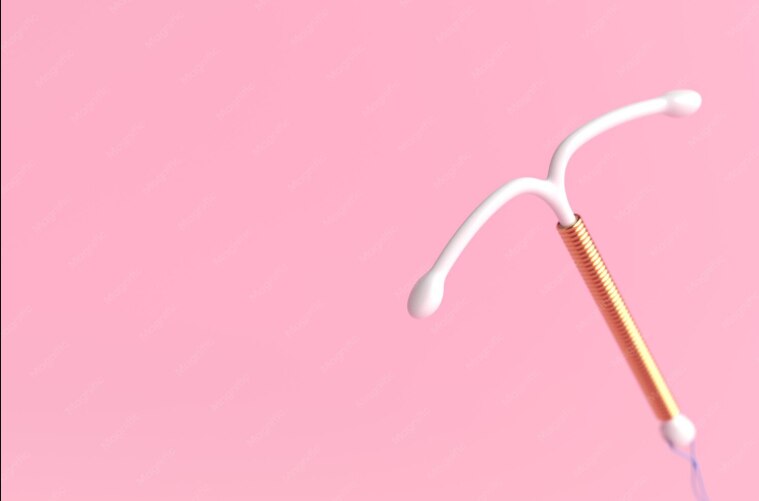
The practical choice is not between a good device and a bad one. It is between hormone-free copper, which can make periods heavier, and levonorgestrel-releasing Mirena, which often reduces bleeding but requires different timing and medical checks. By the end, you will know which trade-offs matter for your periods, health, pregnancy plans and insertion timing.
Key takeaways
- Copper T is hormone-free but can increase bleeding and cramps.
- Mirena releases levonorgestrel and usually makes periods lighter.
- Protection timing depends on when the device is inserted.
- Seek review for severe pain, fever, heavy bleeding or missing strings.
Copper T versus Mirena: what actually differs
Both devices result in fewer than 1 pregnancy per 100 users during the first year with typical use, but they prevent pregnancy differently. Choosing Copper T or Mirena insertion in Mumbai means choosing between a hormone-free copper device and a levonorgestrel-releasing hormonal system.
| Option | How it works | Duration and period effects |
|---|---|---|
| Copper T 380A | Releases copper, which interferes with sperm movement and fertilisation; contains no hormones | Commonly approved for 10 years; bleeding, period length and cramps can increase, especially during the first 3–6 months |
| Mirena | Releases levonorgestrel, thickens cervical mucus and suppresses the uterine lining | Approved in the United States for contraception for up to 8 years and heavy menstrual bleeding for up to 5 years; early spotting is common, then periods usually become lighter, and some users stop bleeding |
Duration is device- and indication-specific. Before copper T insertion in Mumbai or Mirena insertion in Mumbai, ask the clinic to confirm the exact model, Indian labelling and planned replacement date rather than relying on a generic duration.
Copper T does not expose you to hormones. Mirena’s levonorgestrel acts mainly inside the uterus, but it is still a hormonal method. Neither device protects against HIV or other sexually transmitted infections, so use condoms when STI protection is relevant.
Which device fits your periods, health and pregnancy plans?
Mirena often fits heavy or painful periods and iron-deficiency anaemia because bleeding usually becomes lighter over time. Copper T suits you if avoiding hormones matters most and you accept possible heavier bleeding, longer periods and stronger cramps.
| Option | Best fit | Important trade-off |
|---|---|---|
| Mirena | Heavy or painful periods; iron-deficiency anaemia; endometrial protection when appropriate for PCOS | Contains levonorgestrel; early spotting is common; unsuitable with current breast cancer |
| Copper T | No hormones; manageable periods; hormone avoidance in PCOS | Does not treat PCOS; bleeding and cramps can increase |
Breastfeeding alone is not a reason to avoid either device. Insertion soon after birth carries a slightly higher perforation risk, while immediate postpartum placement has a higher expulsion risk than interval insertion. Neither device treats PCOS’s underlying hormonal features. Fertility usually returns promptly after removal, so either works when pregnancy is planned soon.
Do not insert either device if you are pregnant, have unexplained vaginal bleeding, untreated pelvic infection, current purulent cervicitis, untreated gonorrhoea or chlamydia, or a uterine cavity distorted by a fibroid. Before copper T or Mirena insertion in Mumbai, the clinician must assess these risks, relevant cancers and other individual contraindications.
Current breast cancer is an important restriction for Mirena, not Copper T.
What happens during insertion, and when does protection begin?
The appointment begins with consent, medical history and pregnancy assessment, including a test when needed. A clinician performs a pelvic and speculum examination, prepares the cervix if necessary, measures the uterine cavity, and guides the device through the cervix into the uterus.
Placement often takes only a few minutes, but allow extra time for assessment and questions.
Copper T insertion in Mumbai and Mirena insertion in Mumbai follow the same basic steps. Ask beforehand about ibuprofen or another suitable analgesic, local anaesthetic, or other pain-control options. Cramping and light spotting for several days are common.
| Option | When protection begins | Backup contraception |
|---|---|---|
| Copper T | Immediately when inserted under appropriate conditions; it can also provide emergency contraception within the clinician-advised five-day window after unprotected sex | Ovulation timing must be considered during counselling |
| Mirena | Immediately if inserted within the first seven days after menstrual bleeding begins | If inserted later, use condoms or avoid vaginal sex for seven days unless your clinician advises otherwise |
Insertion can occur at another point in the cycle, after miscarriage or abortion once pregnancy is excluded, or immediately after childbirth. Postpartum and post-loss timing affects eligibility, expulsion risk and follow-up.
Breastfeeding alone does not rule out either device, but insertion soon after delivery or during breastfeeding carries a slightly higher perforation risk, so ask how to check the strings and when to return.
What is normal after insertion, and which symptoms need review?
Mild-to-moderate cramps and light spotting for several days are expected after insertion. The bleeding pattern then differs:
| Device | What is normal | When it is more likely |
|---|---|---|
| Mirena | Irregular spotting or bleeding | During the first few months; periods usually become lighter later |
| Copper T | Heavier, longer or more painful periods | Particularly during the first 3–6 months |
After Copper T or Mirena insertion in Mumbai, seek prompt medical review for:
- Severe or persistent pelvic pain
- Fainting, fever, foul-smelling discharge or heavy bleeding
- A device felt in the vagina
- Strings that cannot be felt after they were previously present
Perforation of the uterus is rare—approximately 1 in 1,000 insertions in large studies—but it requires assessment. Sudden pain with a positive pregnancy test needs urgent review because pregnancy with an IUD has a higher relative likelihood of being ectopic.
Routine antibiotics are not recommended solely for insertion. During Mirena insertion in Mumbai, gonorrhoea and chlamydia testing can often happen that day without delaying placement when there is no purulent cervicitis or known active infection.
Ultrasound is unnecessary after an uncomplicated insertion, but helps when placement is uncertain, the uterus is difficult to assess, strings are missing or complications are suspected.
How to make the final choice and plan removal in Mumbai
Choose based on your main priority, not on the clinic’s generic label for an “IUD”:
| Option | Choose it when | Main trade-off |
|---|---|---|
| Copper T | Avoiding hormones matters and your periods are manageable | Bleeding and cramps can increase |
| Mirena | Reducing heavy bleeding or cramps matters more and levonorgestrel is medically suitable | Early spotting and hormonal exposure are possible |
Before Copper T insertion in Mumbai or Mirena insertion in Mumbai, ask for the exact device name, batch or lot number, expiry date, approved duration in India, planned replacement date, written warning signs and follow-up instructions. A registered clinician should document informed consent and assess pregnancy, infection and uterine-cavity risks before insertion.
For IUCD removal in Mumbai, visible strings usually permit gentle removal during a clinic examination. Missing strings do not prove expulsion: ultrasound can locate a correctly positioned device, while an embedded or difficult device may require specialist removal and sometimes hysteroscopy.
Never pull an IUCD out at home; breakage, bleeding, pain or retained fragments can result.
You do not need a routine break between devices. Remove one when pregnancy is desired, its approved duration ends or a complication requires it; fertility generally returns promptly afterwards. Her Space by Dr. Shifa can be considered when you want one consultation to cover selection, insertion, follow-up and removal.
Related service
GYNAECOLOGY IUCD (Copper-T / Mirena) insertion & removal by Dr. Shifa Anwar Panwala Intrauterine contraceptive devices (IUCDs), including Copper-T and hormonal options like Mirena, are highly effective,... View service → |
Frequently asked questions
What is the main difference between Copper T and Mirena?
Copper T is hormone-free and prevents pregnancy using copper. Mirena releases levonorgestrel, which thickens cervical mucus and usually reduces menstrual bleeding.
Which device suits heavy or painful periods?
Mirena often suits people with heavy or painful periods because it can reduce bleeding and cramps. Copper T can increase bleeding and cramping, so discuss alternatives if periods are already difficult.
When does contraception begin after insertion?
Copper T provides immediate contraception after insertion. Mirena provides immediate protection when inserted during the first seven days of a menstrual period; otherwise, use condoms for seven days unless your clinician gives different advice.
What symptoms after insertion need medical review?
Seek medical review for severe or worsening pelvic pain, fever, foul-smelling discharge, very heavy bleeding, a positive pregnancy test, or strings that feel shorter, longer or missing.
How is IUCD removal planned in Mumbai?
A clinician removes the IUCD by gently pulling its strings during an examination. Arrange review if the strings cannot be felt, removal is painful, or you want pregnancy protection to continue after removal.
Keywords