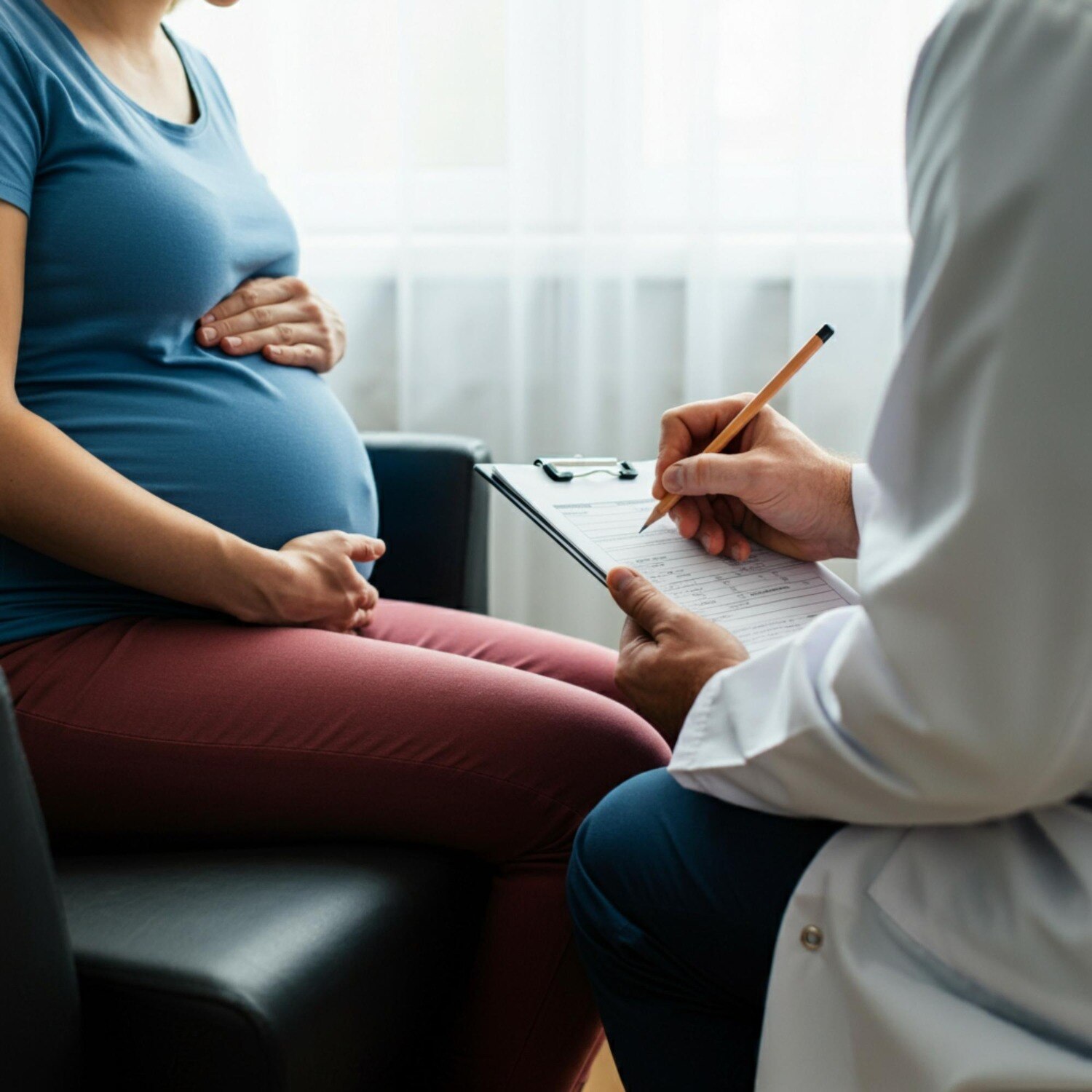
A high-risk pregnancy plan should begin before ovarian stimulation or embryo transfer when conditions such as diabetes, hypertension, heart disease, kidney disease, thyroid disease or a previous complicated pregnancy are present. By the end, you will know what an IVF counselling appointment should assess, which records and tests to prepare, and how fertility, obstetric and specialist referrals fit together.
Key takeaways
- Arrange a preconception assessment before ovarian stimulation or embryo transfer.
- Review medical history, medications, pregnancy risks and emergency planning during counselling.
- Coordinate your fertility specialist, obstetrician and referral location before treatment begins.
- Agree when to revise the plan if IVF takes longer than expected.
Why high-risk pregnancy planning should start before IVF
A high-risk pregnancy review belongs before ovarian stimulation or embryo transfer, not after a positive test. Arrange an obstetrician’s preconception assessment if you have:
- Diabetes, chronic hypertension, heart disease, kidney disease, thyroid disease, autoimmune disease or obesity.
- Epilepsy, thrombophilia, or medicines that could harm a pregnancy.
- Previous severe pre-eclampsia, recurrent pregnancy loss or a complicated pregnancy.
- Advanced maternal age, uterine disease or another condition that affected fertility or pregnancy.
IVF does not remove these risks or automatically make a high-risk pregnancy low risk. ivf counselling worli should be a planning conversation with an obstetrician, fertility specialist or maternal-fetal-medicine specialist before treatment begins.
| Risk source | What it can affect | What IVF adds |
|---|---|---|
| Medical condition | Blood pressure, glucose, clotting, organ function or fetal growth | No protection from the underlying condition |
| Maternal age or uterine disease | Miscarriage, implantation, placental or pregnancy complications | IVF does not reverse these risks |
| Ovarian stimulation | Ovarian hyperstimulation syndrome, fluid shifts and clots | Risk relates to the treatment cycle |
| Embryo transfer and pregnancy | Ectopic pregnancy, multiple pregnancy and procedure-related complications | Transfer decisions influence risk |
The consultation should separate risks from diabetes, heart or kidney disease, autoimmune illness, epilepsy, thrombophilia, age and uterine problems from IVF-related risks. It can set targets for blood pressure or diabetes, review medicines, choose safer timing and plan specialist follow-up before stimulation or transfer.
What an IVF counselling appointment should review
A useful appointment connects fertility treatment with pregnancy safety. It reviews your medical history, medicines, previous pregnancies and miscarriages, blood pressure, diabetes risk, fertility tests and ovarian reserve—not just egg and sperm results. Ask how vaccination, nutrition, alcohol, tobacco, recreational drugs, sleep and mental health could affect treatment or pregnancy.
The appointment differs from other consultations:
| Consultation | Main focus |
|---|---|
| Routine infertility | Finding causes of difficulty conceiving and selecting treatment |
| High-risk obstetric | Managing maternal or fetal risk before and during pregnancy |
| Genetic counselling | Inherited conditions, carrier status, testing limits and family history |
| Psychological counselling | Treatment stress, grief, decisions and partner or family support |
Possible pre-treatment checks include HbA1c, thyroid-stimulating hormone (TSH), renal function, urine protein, blood pressure, infectious-disease screening, carrier screening and condition-specific genetic testing. Abnormal results or complex heart, kidney, autoimmune, endocrine or other conditions require specialist input, such as maternal-fetal medicine, endocrinology, cardiology, nephrology or genetics.
Bring these records:
- Previous IVF cycle reports and embryo-transfer details
- Ultrasound reports and semen analysis
- Miscarriage records and hospital discharge summaries
- A complete medication list, including supplements
- Recent HbA1c and TSH results
Ask who will coordinate referrals, share records and follow you after transfer. Use fertility counselling central in mumbai as a quality standard based on completeness and continuity, not location alone.
How counselling can change the IVF and pregnancy plan
Counselling can change the order and safety checks of treatment, not just explain injections.
Decisions are individual clinical decisions, not automatic rules: the team may optimise diabetes or blood pressure, replace a medicine unsafe in pregnancy, update vaccinations and preventive care, advise folic acid, smoking cessation, no alcohol or recreational drugs, and weight-related changes, then delay embryo transfer after retrieval until health is safer.
- Request maternal-fetal-medicine, endocrinology, cardiology, nephrology or genetics input when the condition or family history requires it.
- Consider elective single-embryo transfer. Transferring one embryo reduces twin and higher-order multiple pregnancy compared with transferring two or more; multiple pregnancy increases preterm birth and neonatal complications.
- Discuss cancelled stimulation cycles, no transferable embryo, cumulative live-birth chances, repeated-treatment costs and emotional strain. Age, diagnosis, ovarian response, embryo quality and previous treatment affect the outlook, so one clinic percentage cannot predict your result.
- Seek urgent assessment for severe abdominal swelling or pain, repeated vomiting, breathlessness, chest pain, fainting, very little urine, heavy bleeding, fever or worsening pain after stimulation, egg retrieval or transfer. These symptoms can signal ovarian hyperstimulation syndrome, bleeding, infection, torsion or ectopic pregnancy.
IVF counselling worli, including a search for ivf counselling for referral high risk pregnancy worli, should also clarify that IVF is not a method for choosing a preferred baby sex or preventing every pregnancy complication. The plan should match your medical risks, not a promise of a risk-free pregnancy.
How to choose and coordinate a referral near Worli or Mahalaxmi
Choose a referral for clinical capability and continuity, not the shortest drive. Define the condition, name the clinician who will follow you after transfer, and confirm where urgent assessment and delivery would occur before starting IVF.
Referral triggers include:
- Pre-existing diabetes or difficult-to-control blood pressure
- Significant cardiac or kidney disease
- Recurrent pregnancy loss
- Previous severe pre-eclampsia
- A known fetal, genetic or inherited condition
| Pathway | What it means | Check before conception |
|---|---|---|
| Fertility clinic plus separate hospital | IVF occurs at one facility and pregnancy or delivery at another | Confirm record transfer, named obstetrician and emergency cover |
| Hospital-based fertility service | Fertility and obstetric teams share one organisation | Ask whether maternal-fetal medicine, fetal medicine and neonatal care are available |
| Local consultation plus specialist referral | A nearby gynaecologist coordinates care with outside experts | Obtain written referral questions, response times and follow-up responsibility |
The fertility clinic and delivery hospital do not need to be the same facility. Agree who manages stimulation, embryo transfer, pregnancy reviews, emergencies and delivery; send reports through an encrypted portal or documented clinician-to-clinician transfer.
Her Space by Dr. Shifa can serve as a women’s health consultation point to review preconception risks, discuss fertility options and frame referral questions for maternal-fetal medicine, genetics, endocrinology or cardiology. An “ivf referral near mahalaxmi” is suitable only when that wider pathway is confirmed.
Related service
INFERTILITY by Dr. Shifa Anwar Panwala IVF (In Vitro Fertilization) counselling is an important step for couples and individuals exploring advanced fertility... View service → |
What to decide if treatment takes longer than expected
After one unsuccessful IVF cycle, counselling helps you decide whether to repeat, modify or stop treatment rather than relying on a clinic success percentage.
Review diminished ovarian reserve, repeated poor response, severe endometriosis, tubal disease, severe male-factor infertility, age-related decline and repeated implantation failure alongside cumulative live-birth chances, cancelled cycles, no transferable embryo, cost and emotional strain. This is the practical purpose of ivf counselling worli and fertility counselling central in mumbai.
- Ask whether poor response or age-related decline warrants a different stimulation plan, embryo strategy or donor eggs.
- Discuss donor sperm for severe male-factor infertility, and embryo donation or non-IVF options when further IVF is unlikely to meet your goals.
- Reassess severe endometriosis, tubal disease or repeated implantation failure before another transfer; the next step may require surgery, another treatment pathway or specialist referral.
- Request genetic counselling for a known inherited disorder, a carrier couple, recurrent pregnancy loss, repeated implantation failure, severe male-factor infertility or a family history suggesting genetic disease.
- Treat preimplantation genetic testing as condition-specific, not universal screening. Results can be inconclusive, tests have limits, and confirmatory prenatal testing remains necessary.
Psychosocial counselling can help with treatment stress, grief, decision conflict, disclosure and partner or family support; it cannot promise success. Before continuing, ask: what is the referral trigger, who follows you after transfer, how long will this strategy continue, and when will the team reconsider it?
Frequently asked questions
Why should high-risk pregnancy planning start before IVF?
A preconception review before ovarian stimulation or embryo transfer identifies medical risks, medication concerns and specialist referrals early enough to affect the treatment plan.
What should an IVF counselling appointment review?
Discuss your medical and pregnancy history, previous IVF treatment, medications, health conditions, likely pregnancy risks, monitoring needs and the roles of your fertility specialist and obstetrician.
How can counselling change the IVF and pregnancy plan?
The review can lead to additional testing, medication changes, specialist input, a different monitoring schedule or a decision about when embryo transfer is safest.
How do you coordinate a referral near Worli or Mahalaxmi?
Confirm which doctor will manage fertility care, which obstetrician will oversee pregnancy, where consultations and tests will occur, and how the teams will share records.
What should you decide if IVF treatment takes longer than expected?
Set review points for treatment delays, define when to reassess your health and pregnancy risks, and agree which specialist will update the plan before another cycle or transfer.
Keywords