Choosing between diagnostic laparoscopy and laparoscopic surgery depends on what your symptoms, scans and fertility plans suggest—and whether treatment might be needed during the same anaesthetic. You will be able to compare laparoscopy with ultrasound, MRI, hysteroscopy, open surgery and monitoring, then prepare practical questions for a Mumbai consultation.
Key takeaways
- Diagnostic laparoscopy identifies pelvic problems; operative laparoscopy treats them.
- Persistent pelvic pain, infertility, or a pelvic mass may require specialist assessment.
- Ask about the surgeon’s training, hospital facilities, complication rates, and follow-up plan.
- Follow fasting, medication, wound-care, and activity instructions after surgery.
Diagnostic or operative laparoscopy: which procedure is being planned?
Diagnostic laparoscopy looks for the cause of a pelvic problem; operative laparoscopy treats what the surgeon finds. Both use a camera inserted through a small abdominal incision, under general anaesthesia.
| Option | What happens | Typical purpose |
|---|---|---|
| Diagnostic laparoscopy | The surgeon examines the uterus, ovaries, fallopian tubes, pelvic lining and visible endometriosis; tissue can be sampled. | Investigating unexplained pelvic pain, suspected endometriosis, infertility with possible tubal disease or an unclear pelvic mass |
| Operative laparoscopy | The surgeon inserts additional instruments through other small incisions to perform treatment. | Removing an ovarian cyst, dividing adhesions, treating endometriosis or ectopic pregnancy, selected fibroid surgery or permanent sterilisation |
| Combined procedure | The surgeon begins with inspection and continues with treatment during the same anaesthetic when consent, findings and safety allow. | Avoiding a second operation when the planned treatment is appropriate |
Ask whether the consent form covers both stages. A planned diagnostic procedure can become operative when the surgeon identifies disease that is safe to treat immediately, such as adhesions or endometriosis. It may instead stop at diagnosis if the finding requires specialist planning, extensive surgery or a different consent decision.
When comparing laparoscopy options in Mumbai, confirm who will operate, what treatment is authorised, and whether biopsy, pathology and possible conversion to open surgery are discussed beforehand.
When does pelvic pain, infertility or a pelvic mass justify laparoscopy?
Diagnostic laparoscopy in Mumbai is appropriate when the likely cause cannot be confirmed with examination and imaging, and finding it would change treatment. It is an operation under general anaesthesia, so it should not be used as a routine infertility test.
Consider it when:
- Pelvic pain persists despite an examination and ultrasound, especially when endometriosis, adhesions or previous pelvic infection is suspected.
- Infertility investigations suggest endometriosis, tubal damage, a previous ectopic pregnancy or another pelvic abnormality.
- A pelvic mass remains unclear, painful, enlarging or complex on ultrasound.
- A suspected ectopic pregnancy or other urgent pelvic problem needs direct assessment and possible treatment.
For infertility caused only by suspected tubal blockage, hysterosalpingography or hysterosalpingo-contrast ultrasonography usually comes first. Laparoscopy with a dye test becomes more useful when those results are unclear or symptoms suggest pelvic disease.
For a simple ovarian cyst that is small, benign-looking and not causing significant symptoms, repeat ultrasound and monitoring may avoid surgery. The same applies to mild, short-lived pelvic pain with reassuring findings.
A normal-looking pelvis at laparoscopy does not rule out every cause of pain or infertility. Interpret the findings alongside symptoms, ultrasound or MRI, and fertility tests; additional instruments can allow biopsy or treatment during the same anaesthetic when disease is found.
Which gynaecological conditions are suitable for laparoscopic treatment?
Laparoscopic treatment is suitable when disease lies in the abdomen or pelvis and surgeons can reach it through small abdominal incisions. Common examples include:
- Ovarian cystectomy for a cyst causing pain, pressure, twisting risk or persistent enlargement
- Endometriosis excision or ablation, including treatment of endometriotic cysts
- Removal of pelvic adhesions affecting pain, organs or fertility
- Ectopic pregnancy treatment
- Selected fibroid removal, hysterectomy or permanent sterilisation
Size, location, symptoms, fertility plans and cancer risk determine whether laparoscopy is safe. A large or suspicious ovarian mass, extensive adhesions or difficult fibroid position may require open surgery instead.
| Option | What it examines or treats | When it fits |
|---|---|---|
| Laparoscopy | Abdomen, pelvis, ovaries, tubes and outer uterus | Endometriosis, cysts, ectopic pregnancy, adhesions and selected uterine surgery |
| Hysteroscopy | Inside the uterus through the vagina and cervix | Submucosal fibroids, polyps or retained tissue causing abnormal bleeding |
| Open surgery | The abdomen through a larger incision | Extensive disease, large masses or unsafe laparoscopic access |
| Monitoring | Symptoms, examination and imaging over time | Small, stable, benign-appearing findings without urgent symptoms |
Choosing gynecological laparoscopy in Mumbai means asking which route treats the actual problem, not simply which route uses smaller incisions. A surgeon may recommend monitoring when intervention offers more risk than benefit.
What happens during laparoscopic surgery, from anaesthesia to closure?
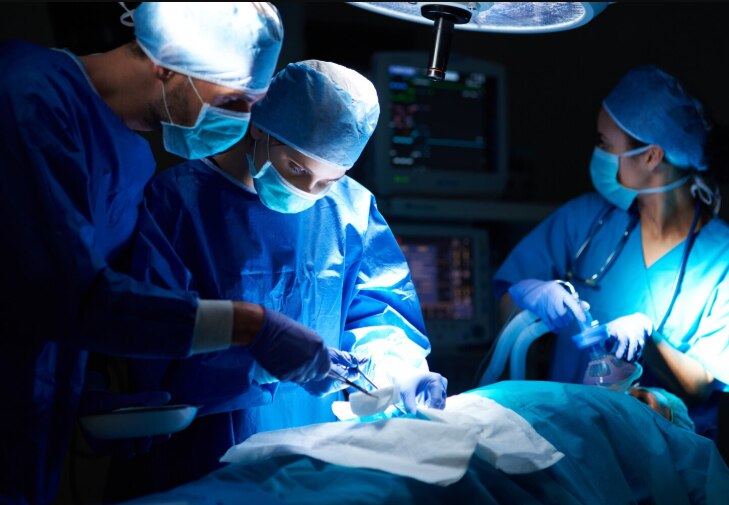
Under general anaesthesia, you will be asleep and monitored throughout. The anaesthetist places a breathing tube, and the surgical team cleans and drapes your abdomen. A urinary catheter may be used for longer operations.
1. The surgeon makes a small incision, usually near the navel, and fills the abdomen with carbon dioxide to create working space. A camera enters through this port; additional instruments pass through two or more small incisions.
2. During diagnostic laparoscopy, the surgeon examines the uterus, ovaries, fallopian tubes, pelvic lining and visible endometriosis. They may take a biopsy or perform a dye test to assess tubal passage.
3. If the findings require treatment and you gave consent beforehand, the same operation can become operative laparoscopy. The surgeon may remove an ovarian cyst, divide adhesions, treat endometriosis or manage an ectopic pregnancy. Ask whether these possibilities and their separate costs are included in your plan for laparoscopic surgery in Mumbai.
4. At the end, instruments are removed, the gas is released and the incisions are closed with dissolvable stitches, skin glue or dressings.
The surgeon may convert to an open operation through a larger incision if severe bleeding, dense adhesions, unclear anatomy, extensive disease or equipment problems make laparoscopy unsafe. Conversion is a recognised safety decision, not proof that the operation failed.
How should you prepare for laparoscopy and recover safely afterwards?
Arrange pre-operative assessment, fasting, medication instructions and transport before the date. Tell the team about allergies, blood thinners, diabetes, previous anaesthetic problems and possible pregnancy. Do not start bowel preparation or stop medicines unless instructed.
The operation may be day-case or short-stay, depending on its extent and your recovery. Risks include bleeding, infection, anaesthetic reactions, blood clots and injury to the bowel, bladder or blood vessels; conversion to open surgery is a recognised safety decision.
- Arrange an adult to drive you home and stay with you initially. You should not drive until you can control the car and perform an emergency stop safely.
- Rest, drink fluids and use prescribed pain relief. Shoulder-tip or abdominal gas pain is common, but it should gradually improve.
- Follow the surgeon’s limits on lifting, exercise, work and intercourse. Do not return to strenuous activity simply because the incisions look small.
- Keep wounds clean and attend the planned review. Ask when you can remove dressings and resume normal medicines.
Seek urgent medical advice for worsening abdominal pain, persistent vomiting, fever, heavy vaginal bleeding, fainting, breathlessness, a painful swollen leg, inability to pass urine, or incision redness with discharge. These symptoms are not routine gas pain.
How do you compare a laparoscopy doctor and hospital in Mumbai?
Compare the operating surgeon, hospital, safety plan and complete bill—not the headline price. Before booking a laparoscopy doctor in Mumbai, confirm who will perform the operation; the doctor you meet may not be the surgeon in theatre.
| Option | What to verify | Question to ask |
|---|---|---|
| Surgeon | Relevant training and experience with your exact procedure | “How many of these operations do you perform, and who operates if you are unavailable?” |
| Registration | Current entry in the National Medical Commission’s Indian Medical Register | “May I verify your registration number?” |
| Hospital | Anaesthesia, blood, imaging and emergency surgical support | “Can this hospital manage bleeding or an unexpected overnight admission?” |
| Safety plan | Ability to convert to open surgery when necessary | “What could require conversion, and who would perform it?” |
| Fee | Surgeon, anaesthetist, theatre, biopsy or pathology, dye test, medicines, stay, follow-up and complications | “What is excluded from this quotation?” |
Ask whether diagnostic laparoscopy can become operative treatment during the same anaesthetic, and obtain consent and an estimate for that possibility. Conversion to open surgery is a recognised safety decision, not automatically a failure.
Her Space by Dr. Shifa can be one clinic to compare, but judge it by these answers and the named hospital arrangements rather than branding alone. Get every inclusion in writing before paying a deposit.
Related services
LAPAROSCOPY Laparoscopy by Dr. Shifa Anwar Panwala Laparoscopy is a modern, minimally invasive surgical technique used to diagnose and treat a wide range of gynecological... |
LAPAROSCOPY Fibroids, ovarian cysts & endometriosis Care by Dr. Shifa Anwar Panwala Fibroids, ovarian cysts, and endometriosis are common gynecological conditions that can affect menstrual health,... View service → |
Frequently asked questions
What is the difference between diagnostic and operative laparoscopy?
Diagnostic laparoscopy uses a camera to examine the pelvis and identify a cause. Operative laparoscopy uses additional instruments to treat conditions found during the procedure.
When might pelvic pain or infertility justify laparoscopy?
A specialist may consider laparoscopy when persistent pelvic pain, suspected endometriosis, unexplained infertility, adhesions, or a pelvic mass requires direct examination or treatment.
Which gynaecological conditions can laparoscopic surgery treat?
Depending on the diagnosis, laparoscopic surgery can treat endometriosis, ovarian cysts, fibroids, adhesions, ectopic pregnancy, and selected conditions affecting the uterus or fallopian tubes.
What happens during laparoscopic surgery?
Under general anaesthesia, the surgeon makes small abdominal incisions, inflates the abdomen with carbon dioxide, inserts a camera, treats the condition when planned, and closes the incisions.
How can you compare laparoscopy doctors and hospitals in Mumbai?
Check the surgeon’s gynaecological laparoscopic training, experience with your condition, hospital anaesthesia and emergency facilities, expected recovery, fees, risks, and follow-up arrangements.
Keywords