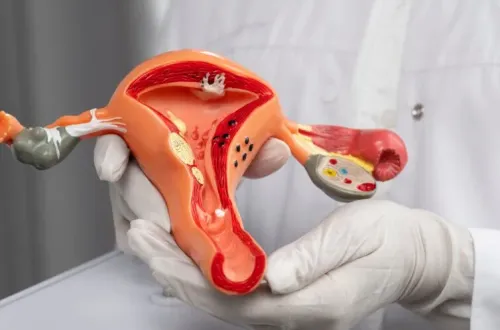
Irregular periods, hot flushes, sleep problems and vaginal symptoms can begin before your final period, while some bleeding patterns need prompt assessment rather than reassurance. You will know which symptoms justify a routine appointment, which require urgent care, what to prepare for a consultation and which tests or treatments may be appropriate.
Key takeaways
- Book an appointment when changing cycles or symptoms affect sleep, work, sex, or daily life.
- Seek prompt assessment for heavy bleeding, bleeding after menopause, chest pain, or severe headaches.
- Bring your period history, symptom list, medicines, and family medical history.
- Ask about treatment benefits, risks, alternatives, follow-up, and tests before deciding.
When Should You Book a Menopause Appointment?
Perimenopause is the transition before menopause, when periods become irregular and symptoms start changing. Menopause is diagnosed retrospectively after 12 consecutive months without a period. Postmenopause begins after that point. Periods continuing does not rule out perimenopause.
| Stage | What it means | What you may notice |
|---|---|---|
| Perimenopause | The transition before the final period | Irregular or heavier periods, hot flushes, sleep or mood changes |
| Menopause | 12 consecutive months without menstruation | The date is confirmed after the year has passed |
| Postmenopause | The years following menopause | Symptoms may continue, settle or newly require assessment |
Book a routine appointment with a perimenopause doctor in Mumbai when symptoms interfere with work, relationships, sleep, exercise or daily comfort. Do not wait until they become severe.
- Periods become irregular, unusually heavy or difficult to manage.
- Hot flushes or night sweats disturb sleep.
- Poor sleep, mood changes, anxiety, brain fog or joint pain affect concentration or routine.
- Vaginal dryness, painful sex or urinary urgency, burning or recurrent infections cause discomfort.
- Reduced sexual desire concerns you or affects your relationship.
A consultation can also check whether symptoms attributed to menopause have another cause, such as thyroid disease, anaemia, medication effects, anxiety or a sleep disorder. Seek advice early: treatment choices, contraception and practical support are easier to discuss before symptoms disrupt your health.
Which Menopause Symptoms Need Prompt Medical Assessment?
Bleeding after 12 months without a period needs medical assessment, even when it is only spotting or pink or brown discharge. Do not assume it is a menopause symptom.
| Category | What it may look like | What to do |
|---|---|---|
| Routine concern | Hot flushes, night sweats, sleep disruption, vaginal dryness, mood changes or reduced sexual desire without a warning sign | Book a menopause appointment and discuss symptom relief |
| Prompt review during perimenopause | Very heavy bleeding, bleeding between periods or bleeding after sex | Arrange gynecological assessment instead of attributing it automatically to hormones |
| Prompt assessment after menopause | Any bleeding, spotting or pink or brown discharge after 12 months without periods | Arrange assessment because causes include polyps, tissue thinning and endometrial cancer |
| Urgent concern | A new breast lump, chest pain, fainting, severe depression or suicidal thoughts | Seek prompt medical care; suicidal thoughts require immediate emergency support |
Assessment for postmenopausal bleeding commonly includes a pelvic examination and transvaginal ultrasound. An endometrial thickness of 4 mm or less is reassuring during an initial episode, but persistent or recurrent bleeding needs further investigation even when the scan looks reassuring.
New severe symptoms, marked weight change, palpitations or neurological symptoms also need assessment rather than automatic attribution to menopause. Thyroid disease, anaemia, medication effects, anxiety, infection and sleep disorders can resemble menopause symptoms.
What Happens at a Menopause Consultation in Mumbai?
Bring your last period date, a record of cycle length and bleeding volume, and notes on when symptoms occur. A symptom diary covering hot flushes, night sweats, sleep, mood, sexual symptoms and urinary changes helps the gynecologist see patterns that memory can miss.
Expect questions about:
- The possibility of pregnancy, contraception, medicines and supplements
- Medical conditions, previous surgery, clotting problems and cardiovascular disease
- Breast history, including lumps, biopsies or cancer in you or close relatives
- Relevant family history, including early menopause, osteoporosis and breast or ovarian cancer
The consultation usually includes blood-pressure and weight checks. A pelvic examination is used when you have bleeding, pain, vaginal or urinary symptoms, while a breast examination depends on symptoms and screening needs. You can ask why an examination is recommended before agreeing to it.
Bring medicine packets or a written list with doses, previous test reports, imaging results and your cycle-and-symptom record. Missing these details can lead to repeated tests or an incomplete assessment.
A useful menopause consultation in Mumbai should finish with agreed next steps: whether you need tests, symptom treatment, contraception, screening or referral, plus a follow-up date.
For people comparing menopause care in Mumbai, Her Space by Dr. Shifa is one local setting for a confidential gynecological discussion; severe bleeding, chest pain, fainting or suicidal thoughts require urgent medical care instead.
Related service
GYNAECOLOGY Menopause & perimenopause care by Dr. Shifa Anwar Panwala Menopause and the transition phase before it—perimenopause—bring natural hormonal changes that can affect both physical... View service → |
Which Tests Are Useful During Perimenopause and Menopause?
Targeted testing answers a specific clinical question; ordering every hormone test can produce fluctuating results without changing your treatment.
| Test or assessment | What it clarifies | When it fits |
|---|---|---|
| Pregnancy test | Whether pregnancy explains a late or absent period | Take one whenever pregnancy remains possible, even during perimenopause |
| Complete blood count | Anaemia from blood loss | Request it after heavy bleeding, tiredness or breathlessness |
| Thyroid tests, such as TSH and free T4 | Whether thyroid disease contributes to symptoms | Consider them with heat or cold intolerance, unexplained weight change, tremor, palpitations or marked fatigue |
| FSH blood test | Whether reduced ovarian function is plausible | More relevant when menopause is suspected before age 45, especially premature ovarian insufficiency before age 40 |
| DEXA scan | Bone mineral density | Consider it after assessing fracture risks rather than automatically scanning everyone |
At age 45 or over, typical symptoms with changing or absent periods usually do not require routine FSH testing. Levels fluctuate during perimenopause and a single result can mislead. When premature ovarian insufficiency is suspected, clinicians commonly use two elevated FSH results taken 4–6 weeks apart, interpreted alongside symptoms, menstrual history and other causes.
Discuss bone-health assessment if you have early menopause, low body weight, a previous fracture, long-term corticosteroid use, smoking, excess alcohol or a family history of osteoporosis or hip fracture.
What Should You Discuss Before Choosing Menopause Treatment?
After assessment, ask which treatment matches your symptoms, health history and pregnancy risk—not simply which option is strongest.
Ovulation can continue during perimenopause, so contraception is generally needed until menopause is established: often two years after the last period if you are under 50, or one year if you are 50 or older, depending on the method and your circumstances.
Ask the clinician to review:
- Whether regulated menopausal hormone therapy is suitable, considering breast cancer risk, unexplained bleeding, clotting history, cardiovascular or liver disease, and migraine.
- Whether you still have a uterus. Systemic estrogen normally needs a progestogen when the uterus remains; estrogen-only treatment is generally for someone who has had a total hysterectomy.
- Whether vaginal estrogen could treat dryness, painful sex or urinary discomfort with low systemic exposure. Breast-cancer survivors need individual advice before using it.
- Whether cognitive behavioural therapy could help selected hot flushes, sleep problems or depressive symptoms.
- Why compounded “bioidentical” hormones or supplements are being suggested. Their dose, purity, interactions and evidence can vary.
| Option | Main use | Key question |
|---|---|---|
| Systemic hormone therapy | Hot flushes and wider symptoms | Are the benefits worth my risks? |
| Vaginal estrogen | Dryness, painful sex, urinary discomfort | Is local treatment enough? |
| Cognitive behavioural therapy | Flushes, sleep or depressive symptoms | Could I use it alone or alongside treatment? |
To find a menopause specialist near me, search for a gynecologist with specific menopause training and ask about follow-up, contraception and non-hormonal options. A menopause consultation in Mumbai should leave you with a written plan, warning signs and a review date.
Frequently asked questions
When should you book a menopause appointment?
Book an appointment when periods become irregular or menopause symptoms affect sleep, work, sex, mood, or daily activities. You can also seek advice before symptoms become difficult to manage.
Which menopause symptoms need prompt medical assessment?
Seek prompt assessment for very heavy bleeding, bleeding after 12 months without periods, bleeding after sex, severe pelvic pain, a new breast lump, chest pain, breathlessness, fainting, or a severe new headache.
What happens at a menopause consultation in Mumbai?
A gynecologist reviews your periods, symptoms, medical history, medicines, family history, and health priorities. The consultation may include an examination when indicated, a discussion of treatment options, and a follow-up plan.
Which tests are useful during perimenopause and menopause?
Tests depend on your symptoms, age, bleeding pattern, medical history, and examination findings. A gynecologist may recommend tests to investigate abnormal bleeding or check conditions that resemble menopause symptoms rather than ordering every test routinely.
What should you discuss before choosing menopause treatment?
Discuss the expected benefits, risks, alternatives, dose or schedule, how long to try treatment, side effects, interactions with current medicines, fertility or contraception needs, and when follow-up is required.
Keywords