Pain, wound separation, bowel-control changes or painful sex after childbirth do not all point to the same injury, and elective surgery is not automatically the answer. You will be able to identify warning signs, understand which examinations and tests matter, compare conservative care with reconstruction, and prepare for a safer Mumbai consultation.
Key takeaways
- Ask whether your injury involves the anal sphincter, scar tissue or separated perineal muscles.
- Confirm the pain source before choosing perineal surgery after delivery.
- Try pelvic-floor rehabilitation when symptoms improve without immediate reconstruction.
- Discuss recovery time, bowel care and future pregnancy before scheduling repair.
Which childbirth injuries need more than routine stitch care?
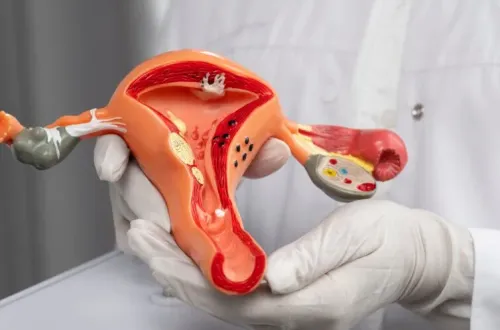
A difficult childbirth means more than a long or painful labour. Clinically, it may involve a deep second-degree tear, third- or fourth-degree obstetric anal sphincter injury, wound infection or separation, retained scar tissue, or perineal muscles that remain detached or weak. These problems need assessment before anyone considers perineal repair after difficult childbirth in Mumbai.
| Degree | Structures injured | Why it matters |
|---|---|---|
| First | Vaginal lining or perineal skin | Usually needs simple closure if bleeding is controlled |
| Second | Vaginal lining, perineal skin and perineal muscles | Muscle disruption can cause weakness, pain or painful sex |
| Third (3a, 3b, 3c) | Anal sphincter; 3a involves under 50% of the external sphincter, 3b over 50%, and 3c includes the internal sphincter | Requires focused continence and sphincter assessment |
| Fourth | Anal sphincter plus rectal lining | Raises concern for bowel leakage or a rectovaginal fistula |
A superficial skin tear can look healed while a sphincter defect remains hidden. The clinician should review delivery and repair records, inspect the scar, assess pelvic-floor and anal-sphincter strength, and perform a digital rectal examination when indicated. Endoanal ultrasound or anal-manometry testing may be needed for leakage, faecal urgency, gas-control problems or abnormal examination findings.
Fever, pus, wound opening, stool leakage or stool passing through the vagina needs prompt medical review, not routine scar revision.
How do clinicians find the real source of pain, weakness or leakage?
A vaginal scar can look tidy while an injured anal sphincter remains weak. During an assessment for perineal tear repair in Mumbai, the clinician reviews the delivery record, the original tear or episiotomy description, and operative notes from the first repair.
They also ask about current bowel control, gas or stool leakage, pain, painful sex and a feeling of pelvic weakness.
Inspection shows whether the scar is infected, separated, thickened, tender or pulling the vaginal opening out of shape. The clinician then examines the pelvic-floor muscles for strength, coordination, tenderness and gaps, and assesses the anal sphincter for tone and suspected disruption.
A digital rectal examination is important when an anal sphincter injury, rectal involvement or continence problem is suspected.
If symptoms or examination findings warrant it, endoanal ultrasound maps defects in the internal or external sphincter that a vaginal examination cannot see. Anal-manometry testing measures resting and squeeze pressures, showing functional weakness even when the anatomy appears largely healed.
The original tear may have been under-recorded, so today’s examination and test results guide treatment more reliably than the old label alone.
When is conservative care better than delayed perineal surgery?
Immediate tear repair is performed during delivery to restore injured tissue; perineal surgery after delivery is a separate decision. Conservative care is better while the wound is infected, inflamed, or open, because re-suturing can trap infection and cause further breakdown.
Treatment during healing commonly includes:
- Prescribed stool-softening or laxative treatment, fluids, fibre and avoiding straining to protect the repair during bowel movements.
- Paracetamol or another prescribed analgesic for pain control; severe or increasing pain needs examination, not simply stronger medication.
- Pelvic-floor physiotherapy after assessment, especially for weakness, urgency, leakage or muscle overactivity.
- Follow-up to check wound healing, continence and sexual pain.
- Gentle scar mobilisation only after the wound has fully healed; working on an inflamed scar can worsen pain.
Elective repair is the wrong choice during fever, pus, wound separation, significant inflammation or suspected rectovaginal fistula. Stool or gas leakage, stool passing through the vagina, or rapidly increasing pain needs prompt specialist assessment.
A perineal scar revision cannot correct every cystocele, rectocele or prolapse, which may require separate vaginal or pelvic-organ support treatment. It will not cure infection, a skin disorder, or an overactive pelvic-floor muscle that is causing pain. The examination must identify the problem before surgery.
What does reconstruction involve, and what is the recovery burden?
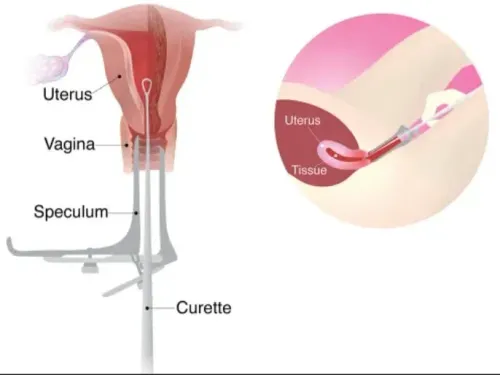
Reconstruction removes restrictive scar tissue, restores separated perineal muscles in layers, and closes the vaginal lining and skin with absorbable sutures. Perineal surgery after delivery may address distortion, weakness or painful scarring rather than simply improving appearance.
A minor revision may need local or regional anaesthesia and limited theatre support. Complex reconstruction, especially after a deep tear or sphincter injury, may require general or regional anaesthesia, a full operating theatre, longer observation and colorectal or uro-gynaecology support.
Perineal tear repair in Mumbai should match the operation to the documented injury and current examination.
Your recovery plan will usually cover:
- Keep the wound clean and dry as instructed; bathing or showering is usually permitted once the clinician confirms it is safe.
- Prevent straining during bowel movements with fluids, fibre and prescribed stool-softening medicine.
- Increase sitting, lifting and childcare gradually; avoid heavy lifting until the repair is stable.
- Drive only when you can sit comfortably, move quickly and brake safely; work depends on pain and physical demands.
- Delay running, cycling and strenuous exercise until healing is confirmed.
- Avoid intercourse and tampons until the wound has healed and discomfort has settled.
Risks include infection, bleeding, wound separation, persistent pain, altered sensation, painful sex, recurrent weakness, and bowel, gas or urinary symptoms. Fever, pus, heavy bleeding or a reopening wound needs prompt review.
How should you choose a Mumbai clinician and prepare for the appointment?
Choose a perineal repair specialist in Mumbai by verifying obstetric-gynaecology training, not just claims about cosmetic gynaecology or laparoscopic surgery. Confirm experience with obstetric anal sphincter injury (OASIS), including third- and fourth-degree tears, and secondary reconstruction after healing.
| Clinician or service | Check before booking | Why it matters |
|---|---|---|
| Obstetric-gynaecology service | OASIS and secondary-repair experience | A vaginal scar alone can miss sphincter damage |
| Pelvic-floor service | Pelvic-floor physiotherapy and anal-manometry access | Weakness may need rehabilitation, not repeat sutures |
| Specialist network | Endoanal ultrasound plus colorectal or urogynecology referral | Persistent leakage or complex injury needs broader assessment |
| Follow-up system | Review around 6–12 weeks and an emergency contact | Fever, wound opening, heavy bleeding or new leakage needs prompt review |
Bring your delivery notes, operative report, discharge summary, medication list, symptom timeline and any photographs of early wound problems. Write down leakage of gas or stool, urgency, pain, numbness, painful sex and urinary symptoms.
Ask who will perform the examination, whether it includes a digital rectal examination, when endoanal ultrasound or anal-manometry testing is needed, and which repair technique and anaesthesia are proposed.
Ask where surgery occurs, who provides emergency care, expected restrictions, rehabilitation, effects on future pregnancy and vaginal birth, and request an itemised estimate covering surgeon, anaesthesia, facility, tests, medicines and follow-up.
Her Space by Dr. Shifa can provide a structured consultation, but independently verify credentials, testing access and referral arrangements.
Related services
OBSTETRICS by Dr. Shifa Anwar Panwala Perineal repair is a specialized procedure aimed at restoring and strengthening the perineum—the area between the vaginal... View service → |
GYNAECOLOGY by Dr. Shifa Anwar Panwala Cystocele and rectocele are conditions where the bladder (cystocele) or rectum (rectocele) bulges into the vaginal wall... View service → |
How do you make a safe decision about repair and a future pregnancy?
Start with urgency, not a cosmetic consultation. Fever, foul discharge, heavy bleeding, wound opening, stool or gas leakage, urinary retention, or stool passing through the vagina require prompt assessment. An infected wound or rectovaginal fistula needs a different pathway from scar revision.
- Bring the delivery record, tear or episiotomy description, operative notes, and any wound photographs. Ask for scar inspection, pelvic-floor assessment and a digital rectal examination.
- Confirm the anatomy before choosing treatment. Endoanal ultrasound and anal manometry can reveal an anal-sphincter defect or functional weakness hidden by a vaginal scar.
- Use conservative care when tissues are infected, inflamed or still changing: prescribed stool-softening treatment, constipation prevention, pain control and pelvic-floor physiotherapy. Operating too early can worsen healing.
- Compare minor scar revision with layered reconstruction only after symptoms and examination are stable. Ask about anaesthesia, wound care, bowel movements, lifting, driving, work, childcare, exercise and intercourse during rehabilitation.
- Discuss future pregnancy separately. After a third- or fourth-degree tear, another such tear occurs in about 5–7% of a subsequent vaginal birth. Persistent incontinence or abnormal testing may support planned caesarean discussion; reassuring findings may support vaginal birth.
For perineal repair after difficult childbirth in Mumbai, counselling should explain what perineal surgery after delivery can and cannot correct. No repair guarantees prevention of recurrence.
Frequently asked questions
Which childbirth injuries need more than routine stitch care?
Deep second-degree tears, third- or fourth-degree obstetric anal sphincter injuries, wound infection or separation, retained scar tissue and detached or weak perineal muscles need specialist assessment.
How do clinicians find the real source of pain, weakness or leakage?
They review the delivery and repair, examine the scar and pelvic-floor muscles, assess anal sphincter function, and order tests such as endoanal ultrasound or anorectal manometry when indicated.
When is conservative care better than delayed perineal surgery?
Pelvic-floor physiotherapy, bowel management, scar treatment and symptom monitoring are appropriate when the examination shows healing tissue and symptoms improve without reconstruction.
What does perineal reconstruction involve, and what is the recovery burden?
Reconstruction removes damaged scar tissue and repairs separated muscles or the anal sphincter when needed. Recovery includes wound care, stool-softening treatment, activity restrictions and follow-up.
How should you choose a Mumbai clinician and prepare for the appointment?
Choose a clinician experienced in perineal tear repair and ask about examination, imaging, anaesthesia, complications, follow-up and access to pelvic-floor physiotherapy. Bring delivery records and prior repair notes.
Related services
GYNAECOLOGY by Dr. Shifa Anwar Panwala Vaginal tightening procedures are designed to restore strength, tone, and elasticity of the vaginal tissues, helping... View service → |
OBSTETRICS by Dr. Shifa Anwar Panwala Childbirth is a deeply personal experience, and every pregnancy journey is unique. Dr. View service → |
OBSTETRICS Labiaplasty by Dr. Shifa Anwar Panwala Labiaplasty is a safe and personalized surgical procedure designed to reshape or reduce the size of the labia minora... |
OBSTETRICS Cesarean Section (C-Section) by Dr. Shifa Anwar Panwala A Cesarean section (C-section) is a safe and commonly performed surgical procedure used to... View service → |
Keywords