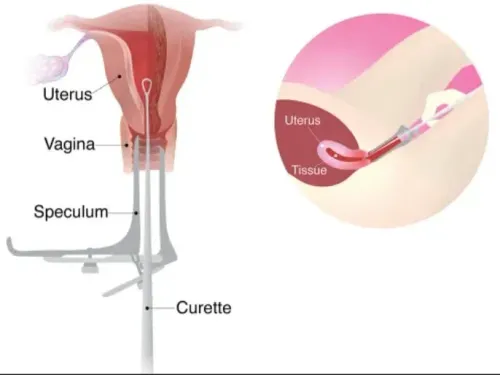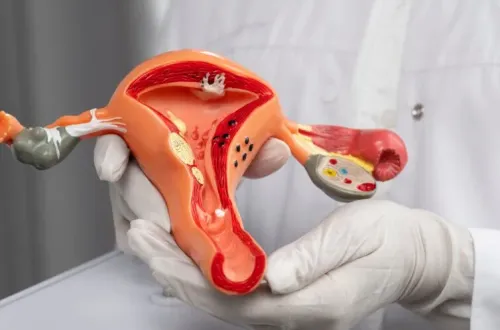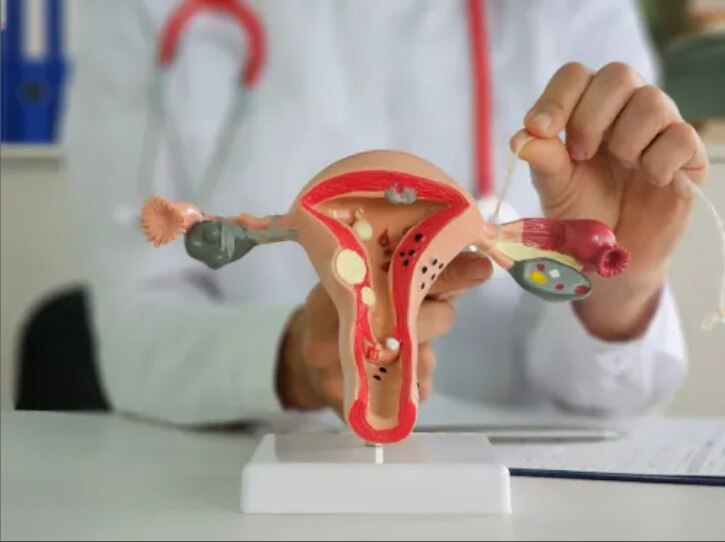
Permanent contraception blocks, seals, cuts or removes the fallopian tubes while leaving the uterus and ovaries in place. Before you book, you need to understand the operation, timing, permanence, effectiveness, warning signs and the standards a Mumbai clinic should meet.
Key takeaways
- Sterilization does not stop ovulation or ovarian hormone production.
- Ask whether the procedure blocks, seals, cuts or removes both fallopian tubes.
- Treat a late period or pregnancy symptoms seriously after sterilization.
- Choose permanent contraception only after reviewing reversible alternatives and consent details.
What female sterilization changes—and what it leaves alone
Female sterilization changes the route sperm and an egg would use to meet. The surgeon blocks, cuts, seals, or removes both fallopian tubes; the uterus and ovaries stay in place. With bilateral salpingectomy, both tubes are removed. Eggs still mature and are absorbed by the body, while ovarian hormones continue.
You should still expect menstrual periods until another condition or treatment changes them.
| Procedure | What is removed or changed | What happens afterward |
|---|---|---|
| Female sterilization | Tubes are blocked, cut, sealed, or removed | Uterus, ovaries, periods and ovarian hormones remain |
| Hysterectomy | The uterus is removed; the cervix may also be removed | Pregnancy and menstrual periods stop; ovaries may remain |
| Ovary removal | One or both ovaries are removed | Removing both causes abrupt loss of ovarian hormones and surgical menopause |
Sterilization is intended as permanent birth control in Mumbai or anywhere else. Reversal requires major surgery, is not guaranteed to restore fertility, and in-vitro fertilisation may be the better future-fertility route. Discuss an intrauterine device or implant before choosing surgery.
A private, voluntary consent discussion should confirm that you understand permanence and alternatives. Partner or family pressure is not consent. Sterilization also does not prevent HIV or other sexually transmitted infections, so use condoms when STI protection matters.
How laparoscopic sterilization is planned, performed and recovered
A preoperative consultation confirms your decision, medical history, previous abdominal surgery, anaesthetic risks and whether pregnancy has been excluded. Ask which technique will be used, who will perform it, the expected operating-room time, when protection begins and how follow-up will be documented.
A search for a permanent sterilization clinic in Mumbai should also check emergency capability, trained anaesthesia staff and readiness to convert to open surgery.
- Laparoscopic sterilization usually uses general anaesthesia and two or three small abdominal incisions. A camera guides the surgeon while the fallopian tubes are blocked, cut, sealed or removed.
- After surgery, staff monitor pain, bleeding, breathing and recovery from anaesthesia. You go home when you are alert, stable and able to drink and walk safely; arrange an adult escort and avoid driving until cleared.
- Mild shoulder-tip pain from abdominal gas, incision soreness and fatigue can occur. Follow wound-care and activity instructions, and seek urgent care for severe pain, heavy bleeding, fever, fainting or breathing difficulty.
| Timing | What happens | How the plan differs |
|---|---|---|
| Interval procedure | Scheduled between pregnancies through laparoscopy | Pregnancy is excluded beforehand; outpatient recovery is commonly planned |
| Postpartum sterilization | Performed soon after vaginal delivery, often before discharge | A small incision may be used instead of laparoscopy; recent delivery changes anaesthesia and recovery planning |
| During caesarean delivery | Tubal sterilization is completed through the existing abdominal opening | No separate operation or laparoscopic access is needed; recovery follows the caesarean plan |
The chosen approach depends on timing, prior surgery, anaesthetic risk, equipment and surgeon expertise—not simply the clinic’s label. Pregnancy after sterilization needs urgent assessment because ectopic pregnancy is possible.
Effectiveness, pregnancy warnings and possible complications
Sterilization is highly reliable, but it is not infallible. ACOG reports fewer than 1 pregnancy per 100 women during the first year after laparoscopic sterilization; effectiveness varies by technique, and pregnancy can occur years later.
Expect temporary discomfort after the procedure. Common effects include:
- Incision or abdominal pain
- Bruising near the small cuts
- Nausea or fatigue after anaesthesia
- Shoulder-tip pain caused by laparoscopic gas
Bleeding, wound infection, injury to the bowel, bladder, blood vessels or another organ, and anaesthetic complications are uncommon but important risks. Before you book permanent contraception in mumbai, confirm that the clinic gives written emergency-contact instructions and explains where to go for urgent care.
Severe or worsening pain, fever, persistent vomiting, heavy bleeding, faintness or redness spreading from an incision needs prompt medical review.
Take a pregnancy test if your period is late or you develop pregnancy symptoms after sterilization. Contact a gynaecologist urgently if it is positive: pregnancy after sterilization needs assessment for ectopic pregnancy, which can rupture and become life-threatening. Go to emergency care for one-sided pelvic pain, vaginal bleeding, shoulder-tip pain, dizziness or fainting.
Sterilization does not treat infertility, painful periods, heavy bleeding or ovarian disease. Investigate those problems separately, and do not blame every menstrual change on the procedure; stopping hormonal contraception can alter bleeding.
How to choose a Mumbai clinic and prepare for consent
Ask for the operating surgeon’s full name, medical registration details and laparoscopic training, not just the clinic’s advertised procedure. A facility should have trained anaesthesia and operating-room staff, equipment for the planned technique, and a clear plan if bleeding or an injury requires conversion to open surgery.
Before booking, confirm these points in consultation:
- Consent happens privately and voluntarily, without pressure from a partner or family member.
- The surgeon explains permanence, alternatives such as an IUD or partner vasectomy, failure risk and the option to postpone.
- Your previous abdominal operations, medical conditions, medicines, allergies and anaesthetic history are reviewed.
- Pregnancy is excluded at the correct time with menstrual-history review and a pregnancy test when indicated.
- You know whether general anaesthesia, regional anaesthesia, or local anaesthesia with sedation suits the timing and operation.
- You receive written emergency-contact instructions, warning symptoms and a scheduled follow-up plan.
| Check | What to verify | Why it matters |
|---|---|---|
| Surgeon | Who will operate and their relevant training | A clinic name does not identify the person performing surgery |
| Facility | Anaesthesia team, operating room, monitoring and transfer arrangements | Complications need immediate treatment, not a delayed referral |
| Timing | Interval, postpartum or caesarean setting; pregnancy assessment | The safest approach depends on timing, prior surgery and anatomy |
| Follow-up | Wound review, contact number and escalation instructions | Problems can appear after discharge |
A search for “female sterilization doctor in Mumbai” or “tubal sterilization clinic near me” should lead to these questions. At Her Space by Dr. Shifa, use the consultation to clarify the exact anaesthetic, emergency pathway and follow-up document before consenting.
Related service
LAPAROSCOPY by Dr. Shifa Anwar Panwala Permanent sterilization is a safe and effective surgical method of contraception for women who are certain they do not... View service → |
When another contraceptive option is the better decision
Another option is better when you are unsure about future pregnancy, want STI protection, or prefer to avoid an operation. Sterilization is intended to be permanent; reversal is major surgery and may not restore fertility. Discuss an IUD or implant before you book permanent contraception in Mumbai.
| Option | Reversibility and hormones | User effort and procedure burden |
|---|---|---|
| Condoms | Reversible; hormone-free; protect against HIV and other STIs | Use every time; no medical procedure |
| Pills | Reversible; contain hormones | Take on schedule; no procedure, but missed pills reduce protection |
| Injectables | Reversible; hormonal; fertility return can be delayed after stopping | Repeat injections; no surgery |
| Copper-T | Reversible; hormone-free | One uterine insertion; can increase bleeding or cramps |
| Hormonal IUD | Reversible; releases progestogen mainly in the uterus | One uterine insertion; low ongoing effort |
| Implant | Reversible; releases progestogen | One arm insertion and removal; low ongoing effort |
| Female sterilization | Intended to be permanent; does not stop ovulation or remove ovarian hormones | Laparoscopic or other surgery, anaesthesia and recovery |
| Partner vasectomy | Intended to be permanent; no hormones | Usually a smaller procedure for the partner, but use contraception until semen testing confirms success |
Choose a reversible method if your family plans could change, even if pregnancy feels unlikely today. Choose condoms alongside any method when STI prevention matters. A private consultation for permanent birth control in Mumbai should include alternatives, voluntary consent and the option for your partner to consider vasectomy.
Frequently asked questions
What does female sterilization change?
It prevents sperm and an egg from meeting by blocking, cutting, sealing or removing both fallopian tubes. The uterus and ovaries remain in place, so ovulation and ovarian hormone production continue.
How is laparoscopic sterilization performed and recovered from?
A surgeon uses small abdominal incisions and a laparoscope to access the fallopian tubes, then blocks, seals, cuts or removes them. Recovery depends on the procedure and your health; ask about wound care, activity limits and warning symptoms before discharge.
Can pregnancy happen after female sterilization?
Sterilization is highly effective but no contraceptive procedure guarantees zero pregnancies. Take a pregnancy test for a late period or pregnancy symptoms and seek prompt medical care because an ectopic pregnancy requires urgent assessment.
What should you ask before choosing a sterilization clinic in Mumbai?
Ask which technique the doctor recommends, whether both tubes are treated, the anaesthesia and recovery plan, possible complications, consent requirements and what alternatives remain available.
Keywords